Britain
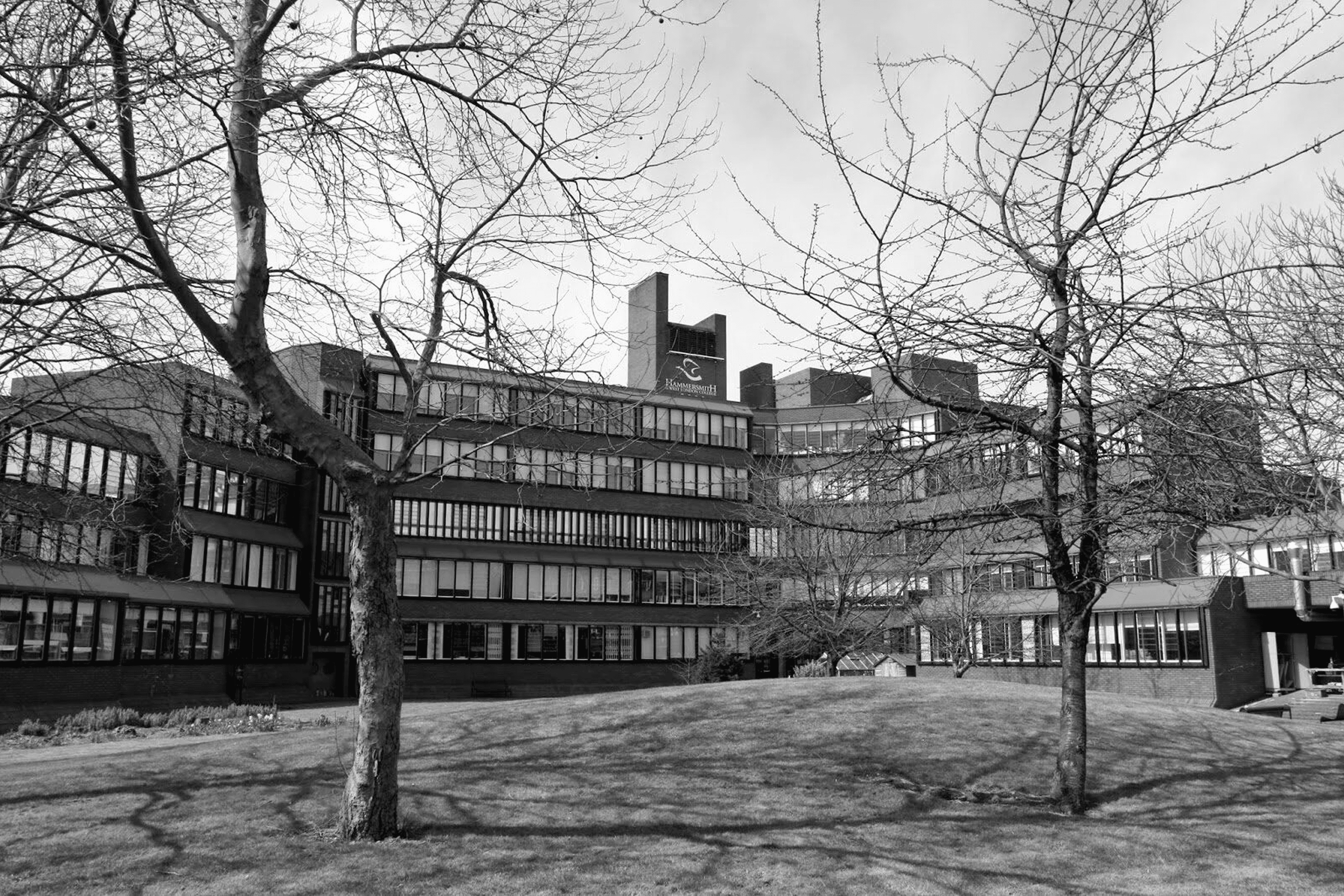
Defined by the need to house the masses and a desire for honesty in materials, British Brutalism reshaped the skyline of the 20th century. Discover the history behind the UK's most controversial and culturally significant concrete landmarks.
Discover more
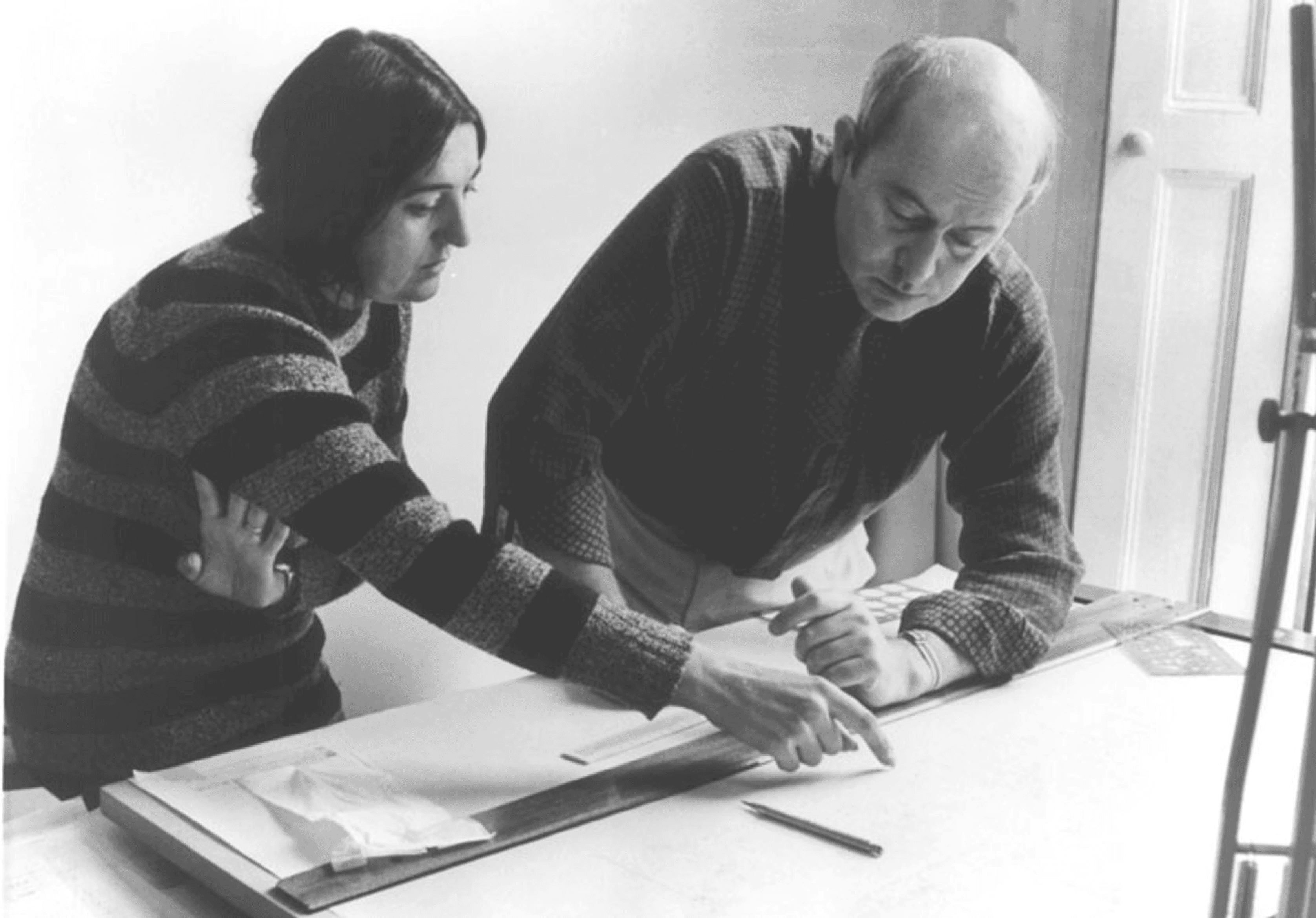
Photo: architectuul.com
Emerging from post-war austerity, British architects like the Smithsons coined "New Brutalism" to reject pre-war frivolity. They championed an "honest" aesthetic, exposing structural elements and raw materials to symbolize a transparent, modern society.
Origins & "New Brutalism"
1950
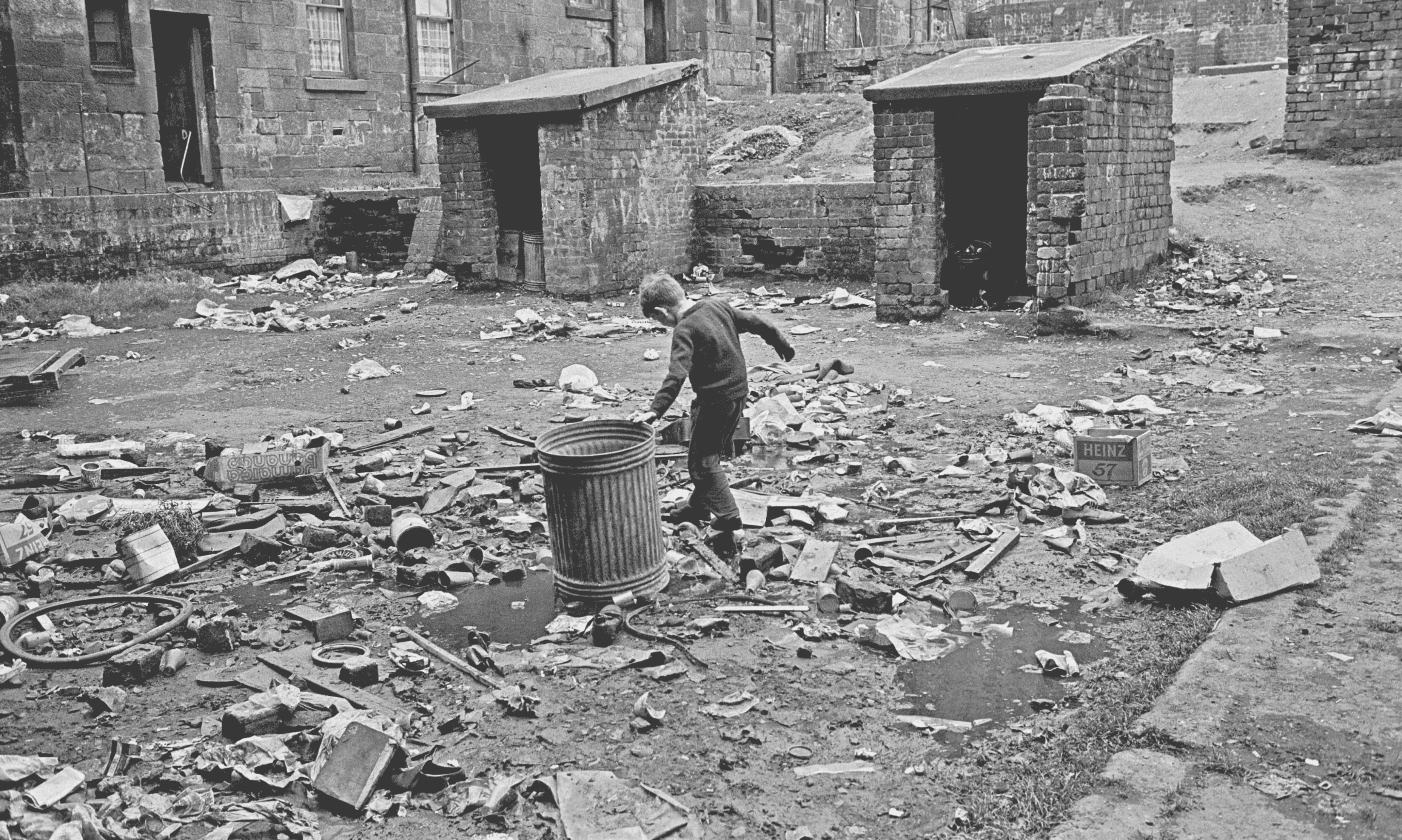
Photo:Nick Hedges
At its peak, Brutalism became the visual language of the Welfare State. To solve the housing crisis, massive concrete estates featuring "streets in the sky" were constructed, aiming to replicate traditional community life within high-density, vertical cities.
The Welfare State & Social Housing
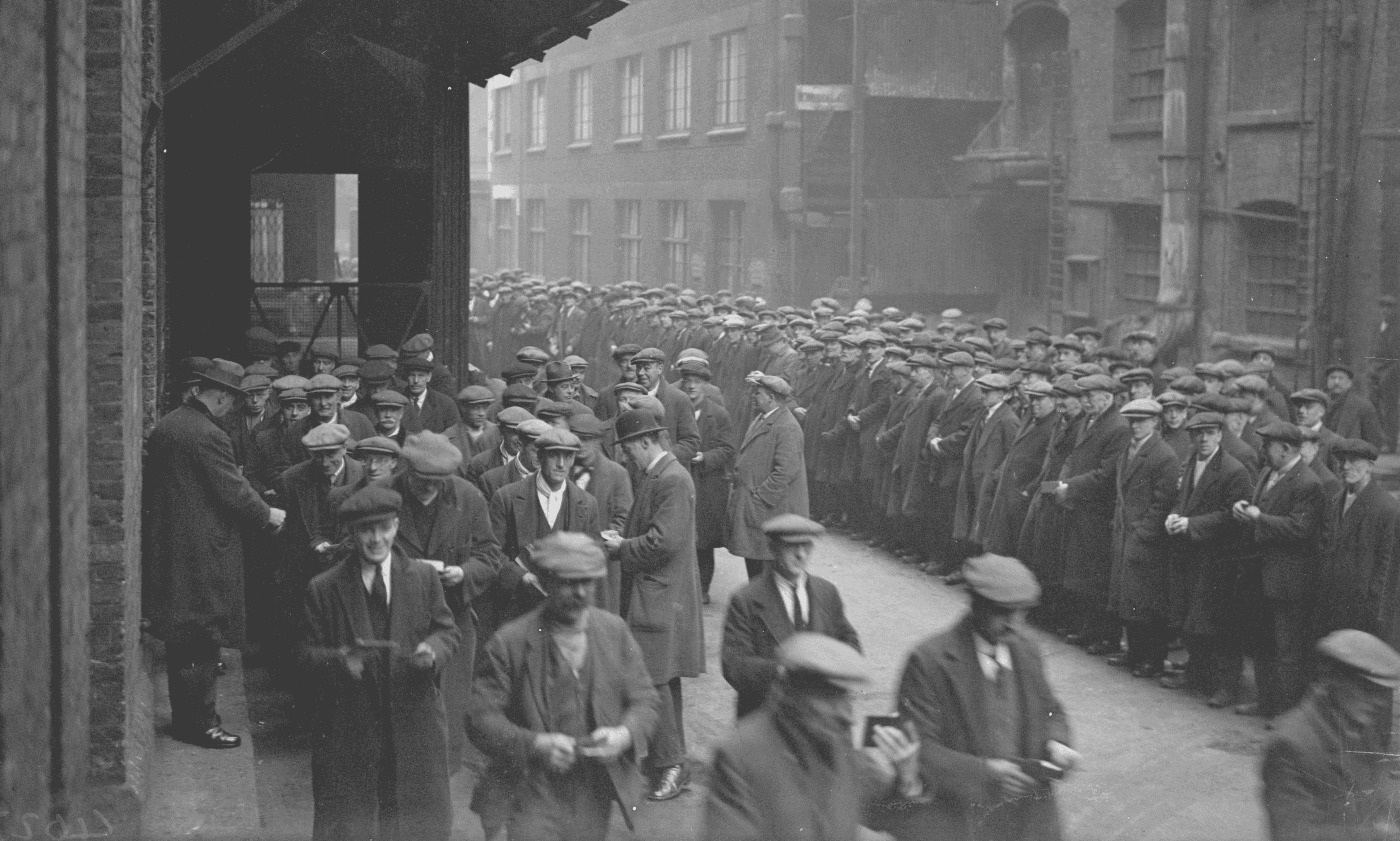
Photo:theguardian
1960
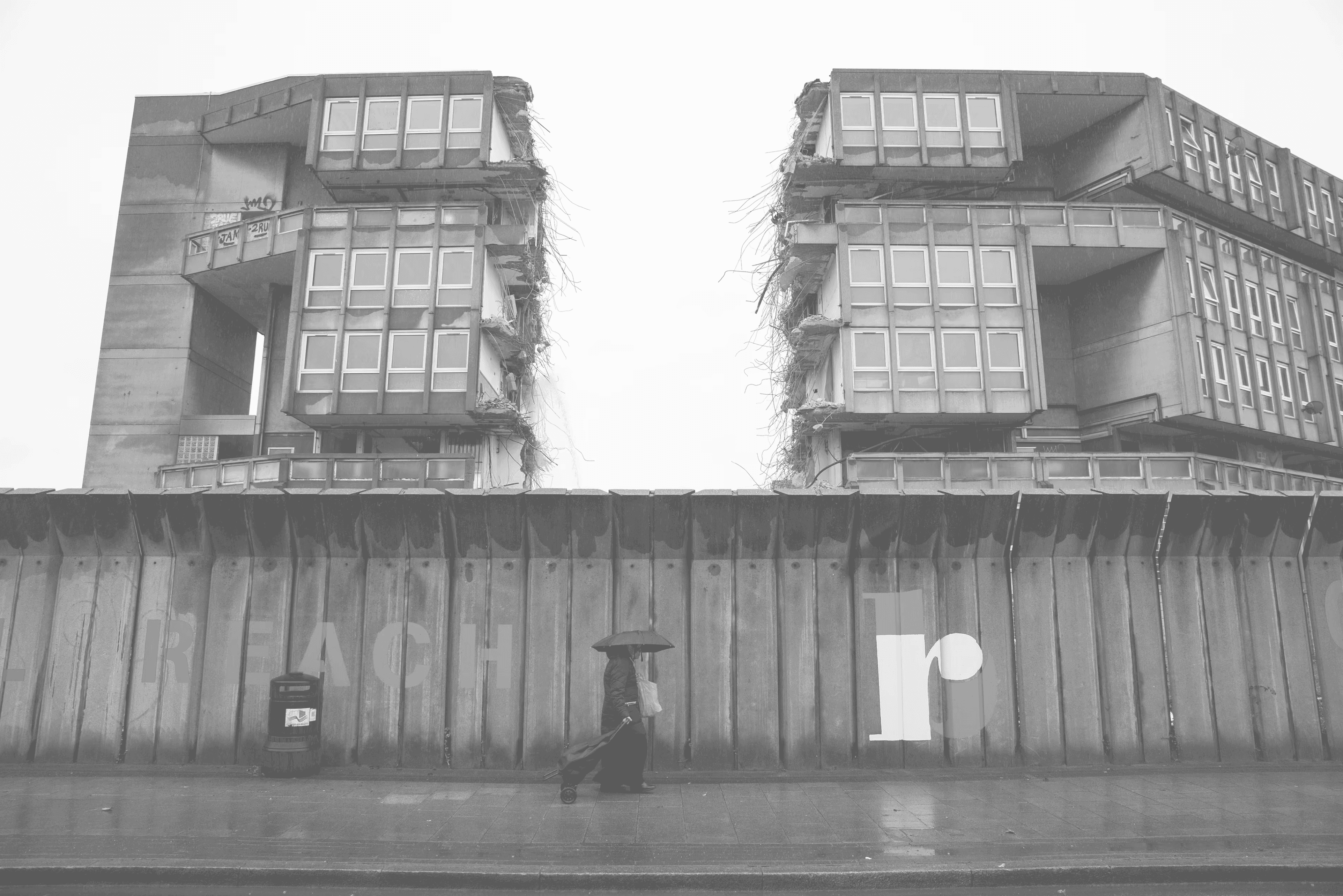
Decay & The Fight for Preservation
As maintenance budgets were cut, these utopian structures fell into disrepair and were unfairly stigmatized as symbols of urban decay. Today, while many have been demolished, a new generation is fighting to recognize them as vital cultural heritage rather than eyesores.
1970
A curated look at five endangered landmarks defining the British concrete legacy.