Educational · Britain · 1980
West London College
Discover more
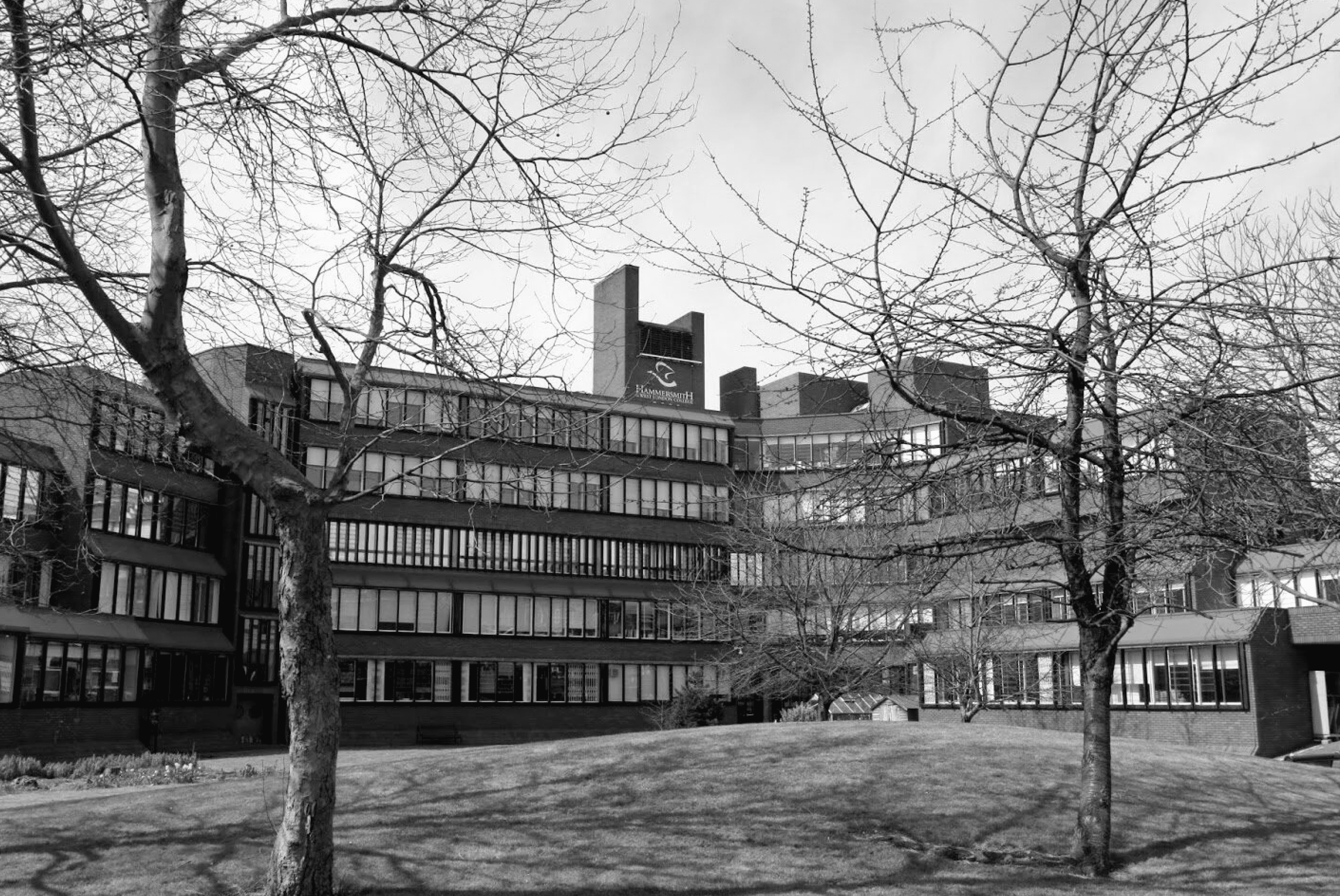
Historical Significance
Historically, it is significant as a reaction against the cold, high-rise towers of the 1960s.
Architect’s Journal, 2023
Architect’s Journal, 2023
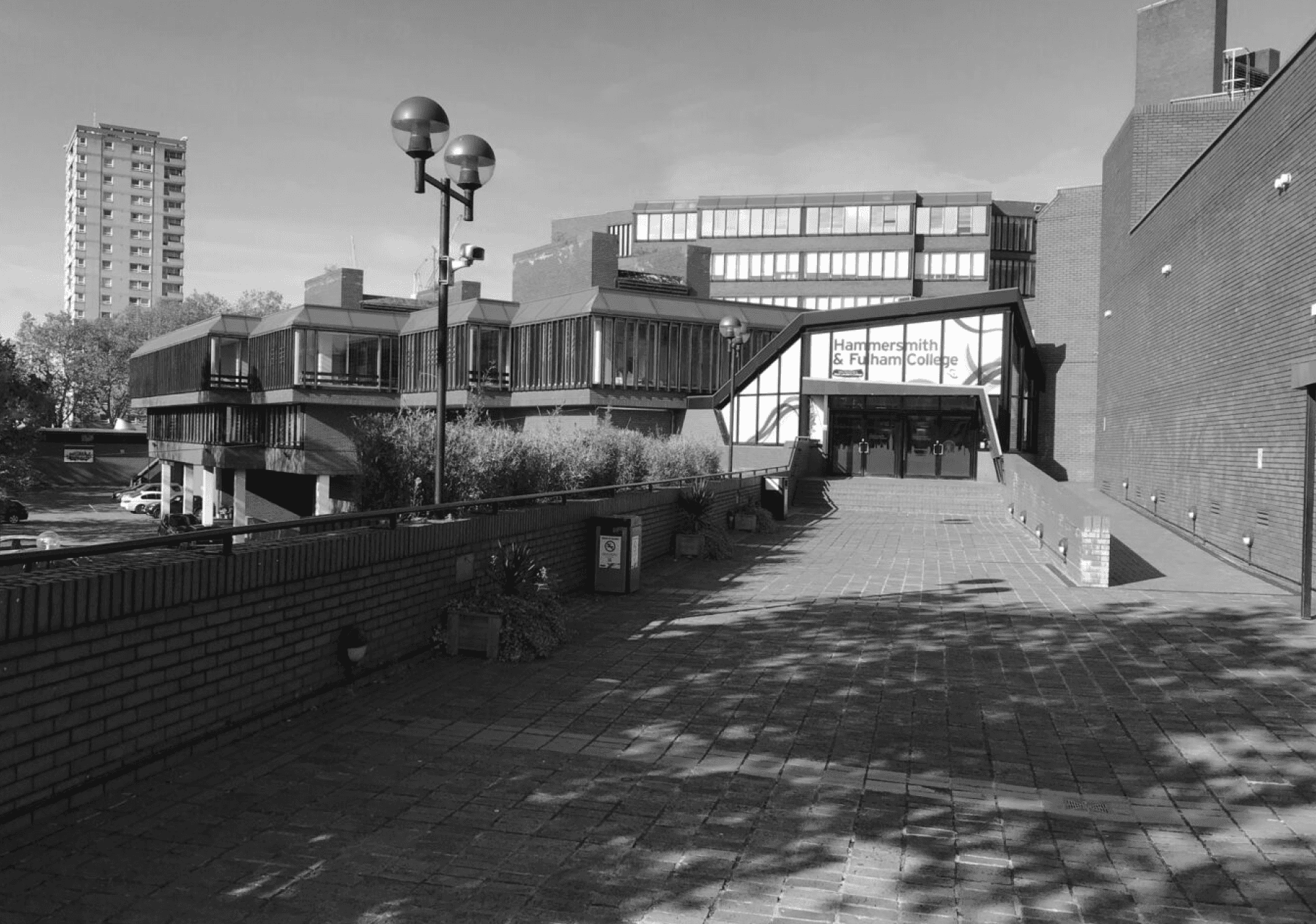
Giles attempted to create a "megastructure" that felt human-scale, designing a complex educational village that turned inward away from the noisy A4 road, creating a protected, pedestrian-friendly sanctuary for students.
Architect’s Journal, 2023
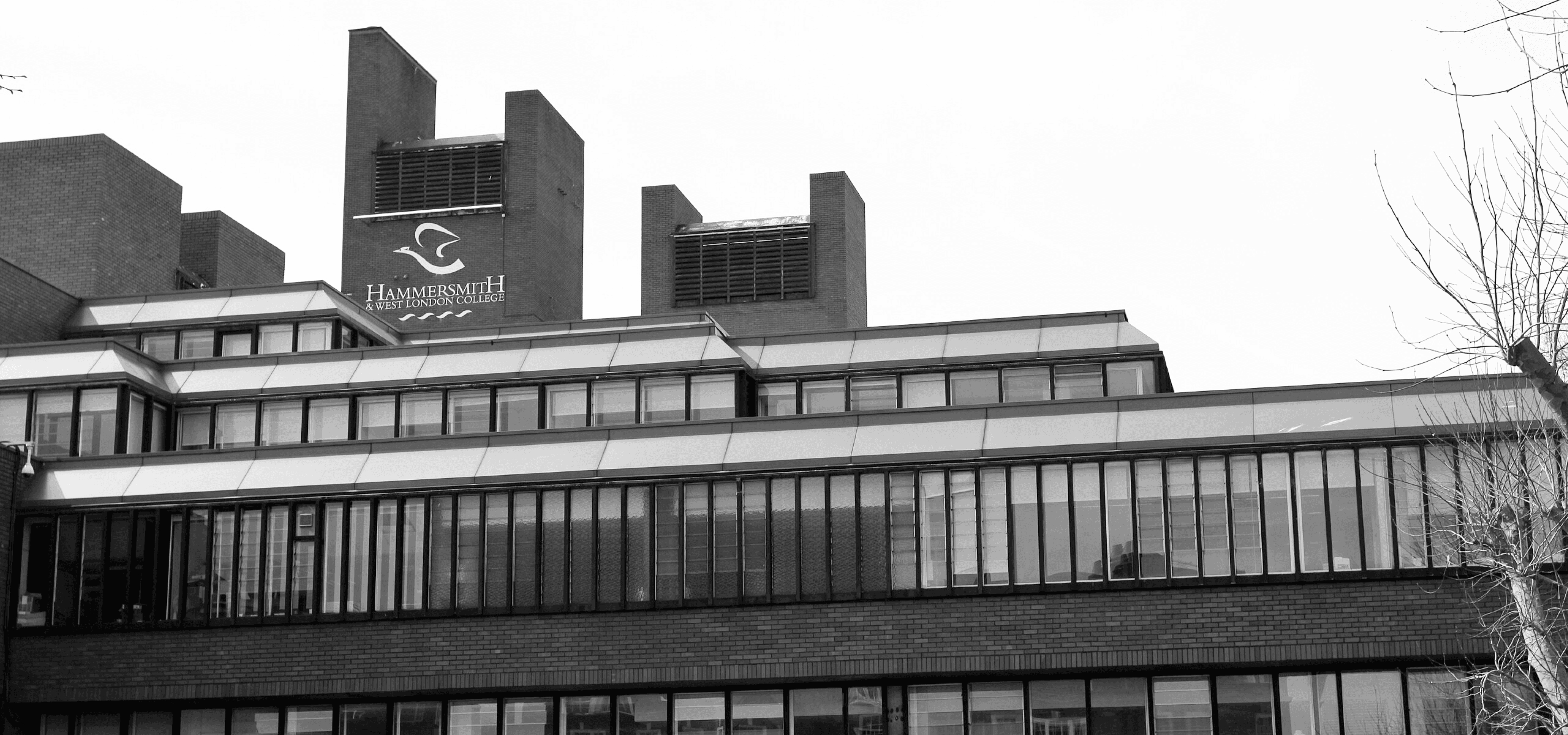
Designed by architect Robert Giles, the campus breaks away from the stereotype of "grey concrete" Brutalism. Instead, it utilizes a warm, red-brown brick palette influenced by Scandinavian Modernism and the work of Alvar Aalto.
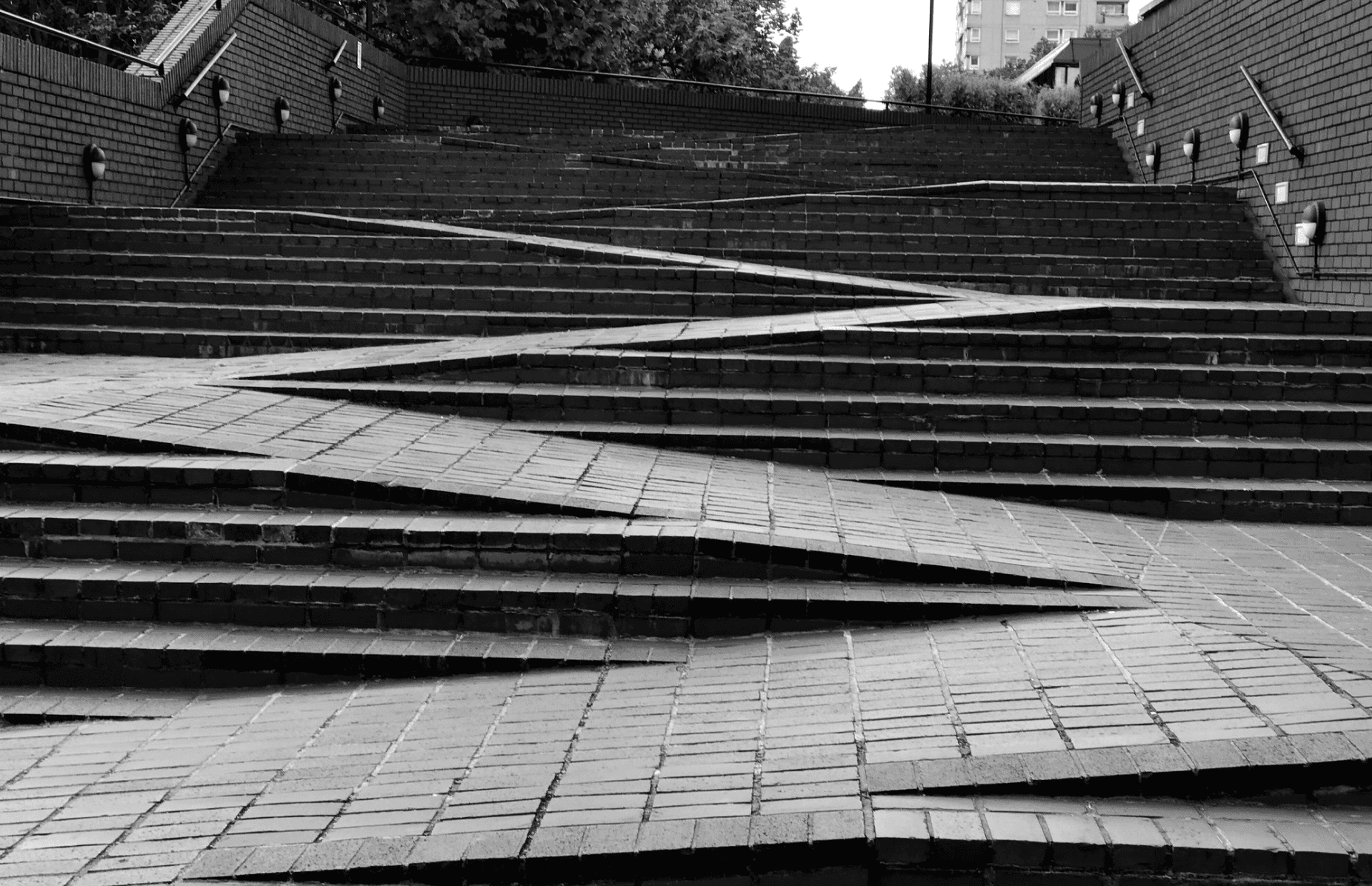
Architect’s Journal, 2023
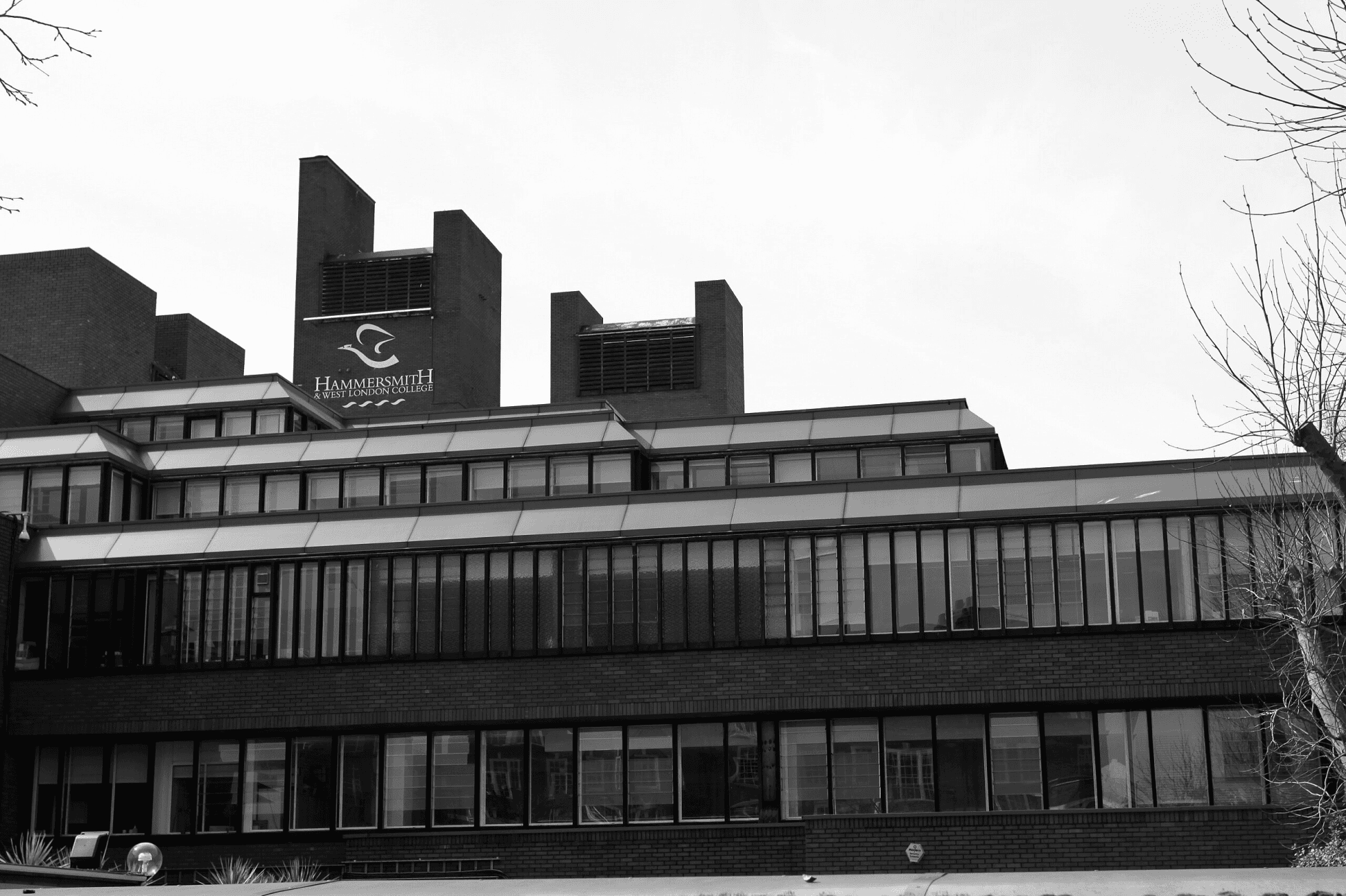
Geometric Fluidity
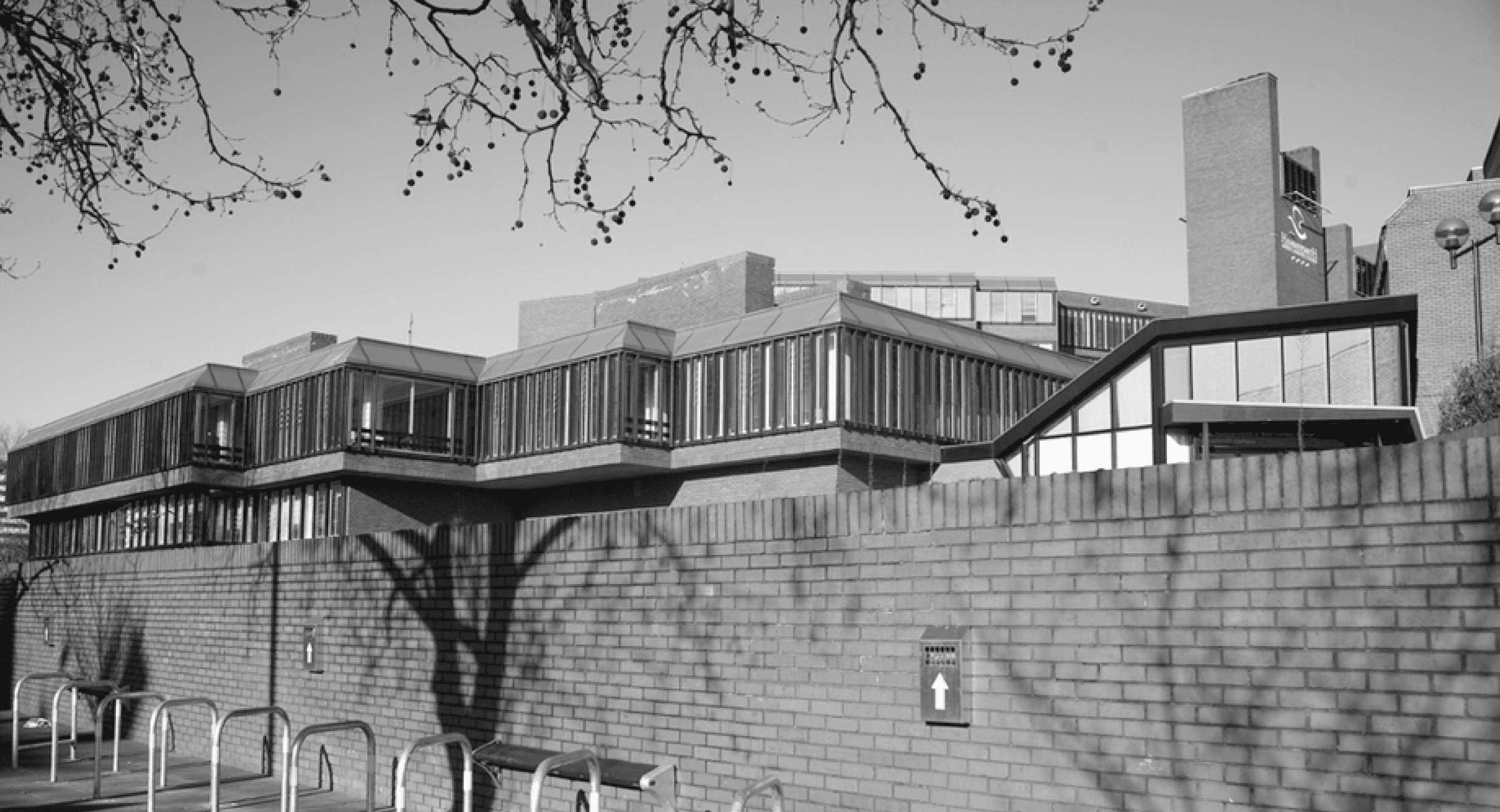
The rooflines slope and step down, avoiding the harsh rectangular box shape typical of earlier modernism, creating a silhouette that flows rather than dominates.
Architectural Features
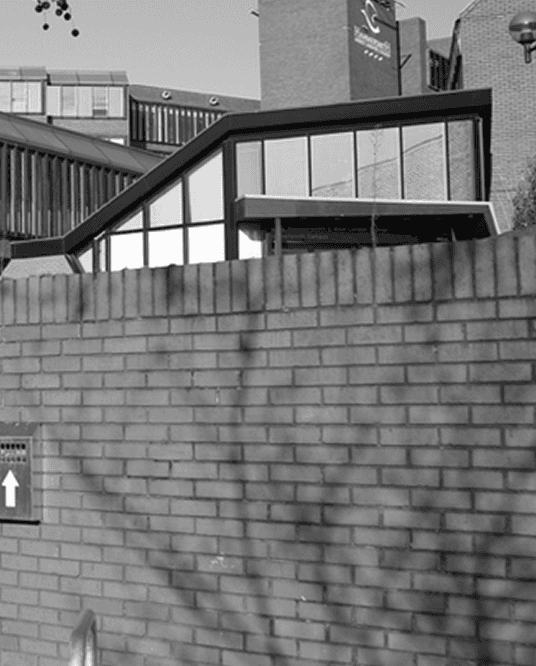
Brick Brutalism
To blend with its Victorian context, the campus uses warm red brick and curved "bullnose" edges. These details soften the building's scale, creating a tactile, organic feel rather than an industrial one.
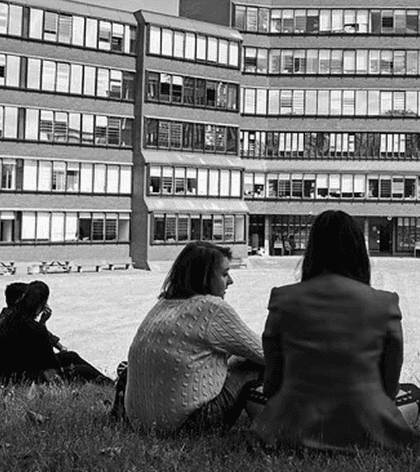
Integrated Landscaping
Landscaped, elevated walkways isolate students from traffic, softening the classic "streets in the sky" Brutalist strategy.
Cultural Impact
Reacting against the isolation of 1960s tower blocks, the design prioritized social interaction through internal streets and plazas. It functioned as a "megastructure" for the people, a self-contained village valuing human connection over institutional efficiency.
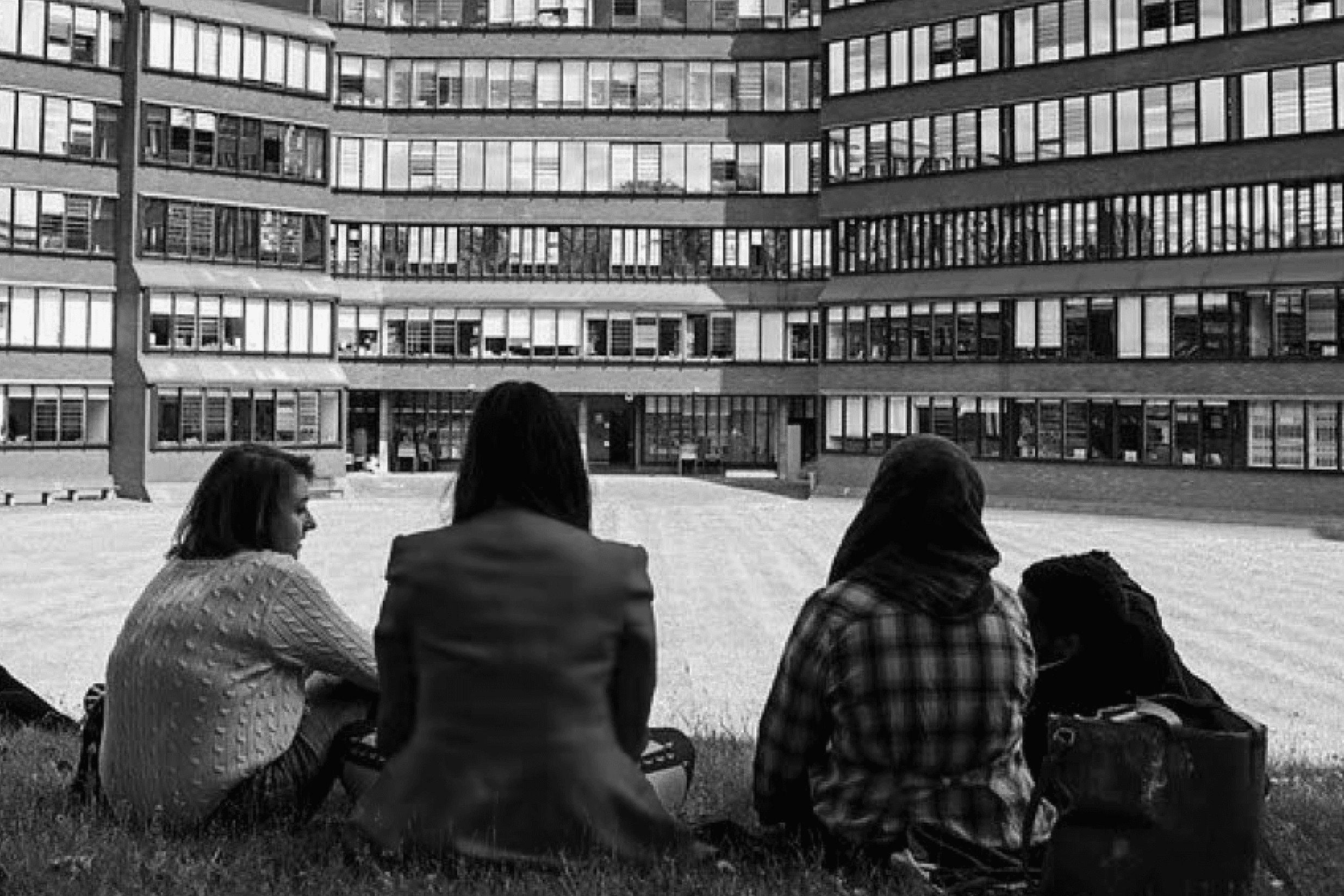
Architect’s Journal, 2023
Why it is Endangered ?
Situated on prime West London real estate, the campus is threatened by high land value, not decay. The administration plans to demolish the site for luxury flats, viewing the architectural landmark merely as an "inefficient use of space."
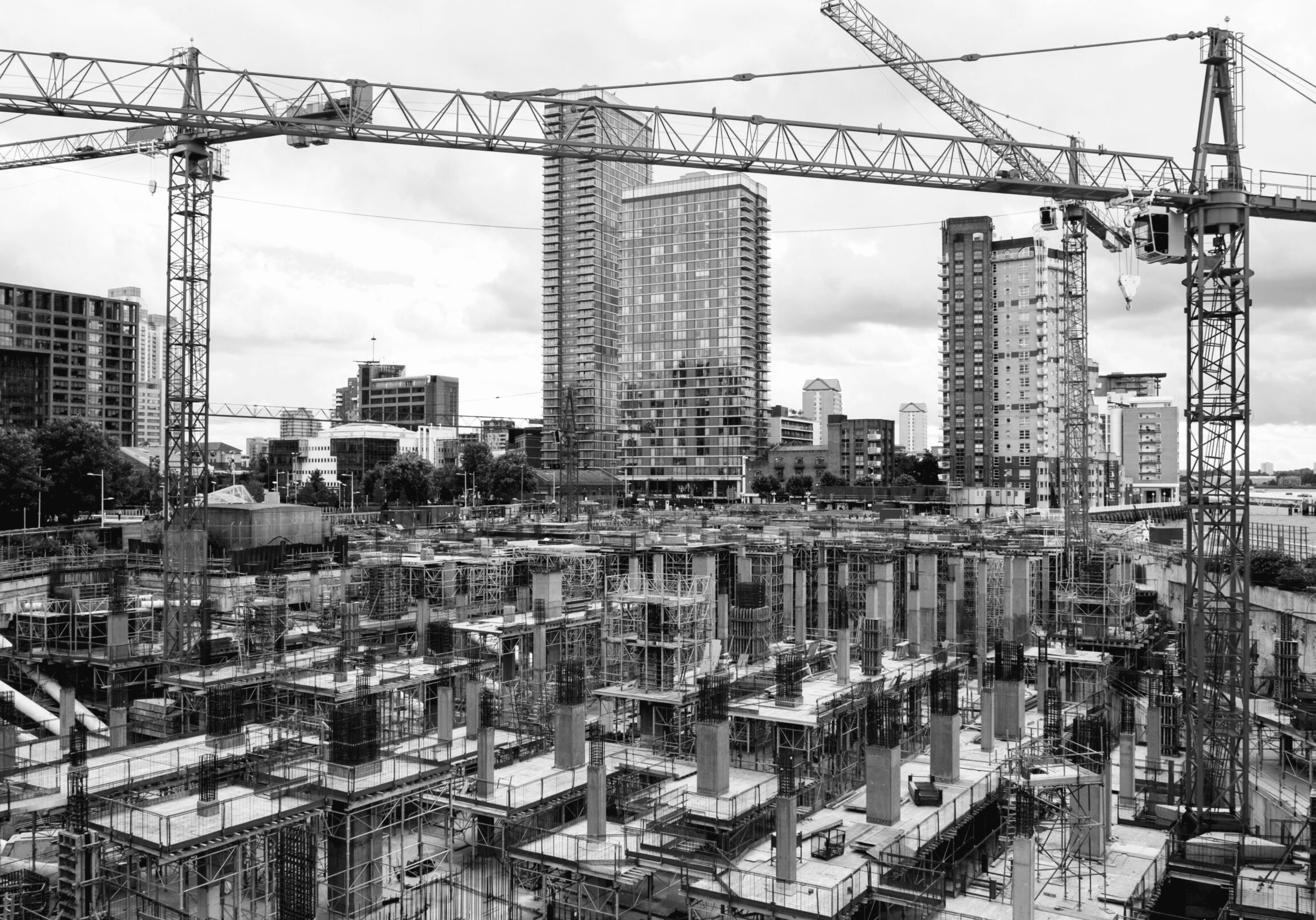
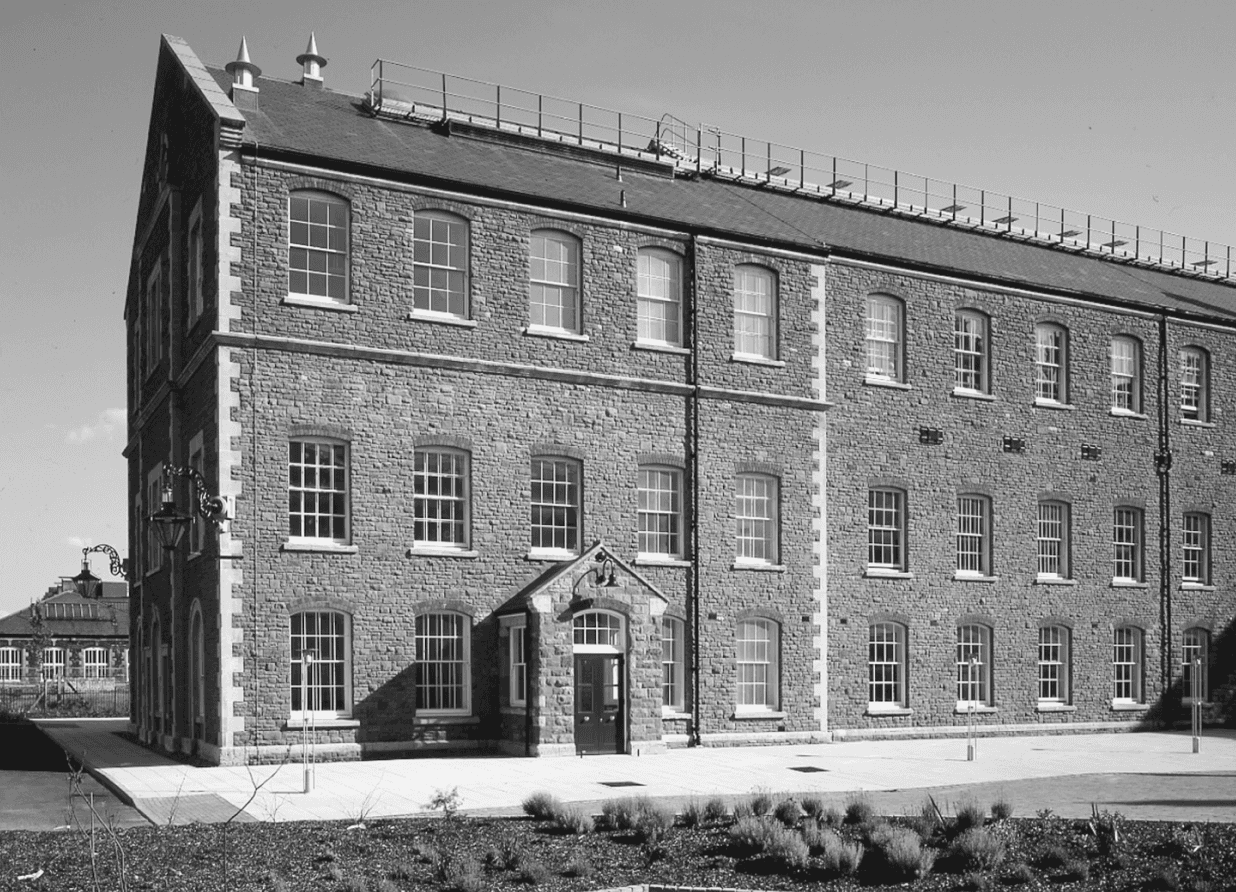
4D Studio Architects
Preservation Efforts
Despite heavy campaigning by heritage experts, Historic England refused to list the building. Instead, they granted immunity from protection, effectively greenlighting its demolition and ignoring its historical significance.
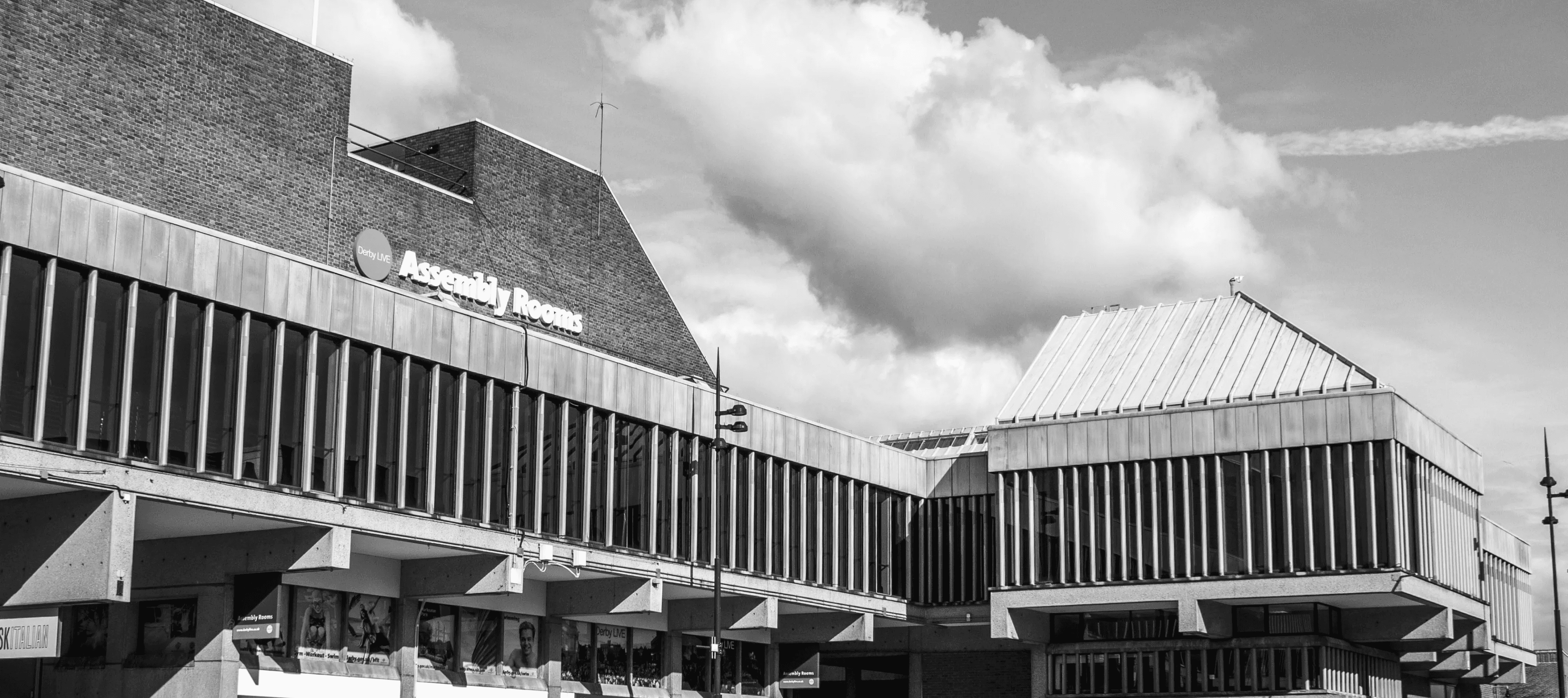
Next Building